
526 events
Leánder és Lenszirom
Magyar Állami OperaházThe tale of Leander the goblin and Princess Linseed, brimming with magic and a seemingly unbreakable curse, not to mention a wealth of twists and turns, is a genuinely good yarn. Set to a libretto by Barnabás Szöllősi that is based on Andor Szilágyi's fable for the theatre and written at the OPERA's request in the 2014/15 season, Erkel Prize-winning composer Zsófia Tallér's masterful, expressive and entertaining music makes this Hungarian fairy tale opera an enjoyable experience for children and adults alike, and, we hope, a possible future classic.

Tosca Opera IC Audiophile series
Hungarian State OperaThere are evenings when our Opera House cannot perform because rehearsals are ongoing on stage until the evening. There are audience members who can only afford to hear their favourite pieces with a discount. And there are works that, although very popular, cannot be staged every season due to the congestion of productions.
Tosca Opera IC Audiophile series
Hungarian State OperaThere are evenings when our Opera House cannot perform because rehearsals are ongoing on stage until the evening. There are audience members who can only afford to hear their favourite pieces with a discount. And there are works that, although very popular, cannot be staged every season due to the congestion of productions.


Little Coppélia
Eiffel Art Studios - Miklós Bánffy Stage (ATTENTION! This venue is not at the Opera House)Radina Dace / Léo Delibes
Little Coppélia
Children’s production for little ones, with English subtitles

A walkür
Magyar Állami Operaház“I've captured a terrific storm of elements and of hearts which gradually calms to Brünnhilde's magic sleep,” Wagner on the score of Die Walküre, in a letter to Ferenc Liszt. Following on the heels of the introductory Das Rheingold, this opera about the tragic love between two of Wotan's children constitutes the start of the more tightly drawn dramatic trilogy. Once again, the laws of the gods clash: can paternal love save a lad who has violated the sanctity of marriage?
Little Coppélia
Eiffel Art Studios - Miklós Bánffy Stage (ATTENTION! This venue is not at the Opera House)Radina Dace / Léo Delibes
Little Coppélia
Children’s production for little ones, with English subtitles
Leánder és Lenszirom
Magyar Állami OperaházThe tale of Leander the goblin and Princess Linseed, brimming with magic and a seemingly unbreakable curse, not to mention a wealth of twists and turns, is a genuinely good yarn. Set to a libretto by Barnabás Szöllősi that is based on Andor Szilágyi's fable for the theatre and written at the OPERA's request in the 2014/15 season, Erkel Prize-winning composer Zsófia Tallér's masterful, expressive and entertaining music makes this Hungarian fairy tale opera an enjoyable experience for children and adults alike, and, we hope, a possible future classic.

Hungarian singers present Der Ring with piano
Hungarian State OperaThe series launched in the 2025/26 season focuses on composers whose operas receive special attention during the season. Yet there are many singers who do not find a role in the works of these masters, but who would gladly sing from their rich vocal palettes. The piano afternoons and matinees are for them, about them, and inspired by them.
Tosca Opera IC Audiophile series
Hungarian State OperaThere are evenings when our Opera House cannot perform because rehearsals are ongoing on stage until the evening. There are audience members who can only afford to hear their favourite pieces with a discount. And there are works that, although very popular, cannot be staged every season due to the congestion of productions.
A walkür
Magyar Állami Operaház“I've captured a terrific storm of elements and of hearts which gradually calms to Brünnhilde's magic sleep,” Wagner on the score of Die Walküre, in a letter to Ferenc Liszt. Following on the heels of the introductory Das Rheingold, this opera about the tragic love between two of Wotan's children constitutes the start of the more tightly drawn dramatic trilogy. Once again, the laws of the gods clash: can paternal love save a lad who has violated the sanctity of marriage?
A walkür
Magyar Állami Operaház“I've captured a terrific storm of elements and of hearts which gradually calms to Brünnhilde's magic sleep,” Wagner on the score of Die Walküre, in a letter to Ferenc Liszt. Following on the heels of the introductory Das Rheingold, this opera about the tragic love between two of Wotan's children constitutes the start of the more tightly drawn dramatic trilogy. Once again, the laws of the gods clash: can paternal love save a lad who has violated the sanctity of marriage?

Carmina Burana
Magyar Állami Operaház / Hungarian State OperaCarl Orff
CARMINA BURANA
Scenic cantata in the original languages, with Hungarian, English, and same-language subtitles
Leánder és Lenszirom
Magyar Állami OperaházThe tale of Leander the goblin and Princess Linseed, brimming with magic and a seemingly unbreakable curse, not to mention a wealth of twists and turns, is a genuinely good yarn. Set to a libretto by Barnabás Szöllősi that is based on Andor Szilágyi's fable for the theatre and written at the OPERA's request in the 2014/15 season, Erkel Prize-winning composer Zsófia Tallér's masterful, expressive and entertaining music makes this Hungarian fairy tale opera an enjoyable experience for children and adults alike, and, we hope, a possible future classic.

Figaro3
Eiffel Art Studios - Miklós Bánffy Stage (ATTENTION! This venue is not at the Opera House)Gioachino Rossini – Wolfgang Amadeus Mozart – Darius Milhaud
The Barber of Seville / The Marriage of Figaro / The Guilty Mother
Opera-mix in two parts, is Hungarian with Hungarian and English surtitles

The Miraculous Mandarin / Bluebeard's Castle
Hungarian State OperaBartók Béla’s two highly influential stage works explore the dynamics of the relationship between man and woman and the deeper layers of their personalities, as presented by creators who, through a fusion of tradition and innovation, reveal the possibilities inherent in these works for 21st-century audiences.
A walkür
Magyar Állami Operaház“I've captured a terrific storm of elements and of hearts which gradually calms to Brünnhilde's magic sleep,” Wagner on the score of Die Walküre, in a letter to Ferenc Liszt. Following on the heels of the introductory Das Rheingold, this opera about the tragic love between two of Wotan's children constitutes the start of the more tightly drawn dramatic trilogy. Once again, the laws of the gods clash: can paternal love save a lad who has violated the sanctity of marriage?
Little Coppélia
Eiffel Art Studios - Miklós Bánffy Stage (ATTENTION! This venue is not at the Opera House)Radina Dace / Léo Delibes
Little Coppélia
Children’s production for little ones, with English subtitles
The Miraculous Mandarin / Bluebeard's Castle
Hungarian State OperaBartók Béla’s two highly influential stage works explore the dynamics of the relationship between man and woman and the deeper layers of their personalities, as presented by creators who, through a fusion of tradition and innovation, reveal the possibilities inherent in these works for 21st-century audiences.
The Miraculous Mandarin / Bluebeard's Castle
Hungarian State OperaBartók Béla’s two highly influential stage works explore the dynamics of the relationship between man and woman and the deeper layers of their personalities, as presented by creators who, through a fusion of tradition and innovation, reveal the possibilities inherent in these works for 21st-century audiences.
Carmina Burana
Magyar Állami Operaház / Hungarian State OperaCarl Orff
CARMINA BURANA
Scenic cantata in the original languages, with Hungarian, English, and same-language subtitles
The Miraculous Mandarin / Bluebeard's Castle
Hungarian State OperaBartók Béla’s two highly influential stage works explore the dynamics of the relationship between man and woman and the deeper layers of their personalities, as presented by creators who, through a fusion of tradition and innovation, reveal the possibilities inherent in these works for 21st-century audiences.
Little Coppélia
Eiffel Art Studios - Miklós Bánffy Stage (ATTENTION! This venue is not at the Opera House)Radina Dace / Léo Delibes
Little Coppélia
Children’s production for little ones, with English subtitles
Leánder és Lenszirom
Magyar Állami OperaházThe tale of Leander the goblin and Princess Linseed, brimming with magic and a seemingly unbreakable curse, not to mention a wealth of twists and turns, is a genuinely good yarn. Set to a libretto by Barnabás Szöllősi that is based on Andor Szilágyi's fable for the theatre and written at the OPERA's request in the 2014/15 season, Erkel Prize-winning composer Zsófia Tallér's masterful, expressive and entertaining music makes this Hungarian fairy tale opera an enjoyable experience for children and adults alike, and, we hope, a possible future classic.
Figaro3
Eiffel Art Studios - Miklós Bánffy Stage (ATTENTION! This venue is not at the Opera House)Gioachino Rossini – Wolfgang Amadeus Mozart – Darius Milhaud
The Barber of Seville / The Marriage of Figaro / The Guilty Mother
Opera-mix in two parts, is Hungarian with Hungarian and English surtitles
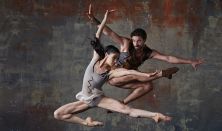
Spartacus
Magyar Állami OperaházSet in the Roman Empire around 74 BC, Spartacus was László Seregi's first true full-length ballet, which at one stroke became a milestone in Hungarian dance life. Since 1968, one generation after another has enjoyed the historically themed choreography, which treats the story of the ancient slave revolt in such a way that its true message is not the rebellion itself, but rather human emotions and choices under pressure.
Little Coppélia
Eiffel Art Studios - Miklós Bánffy Stage (ATTENTION! This venue is not at the Opera House)Radina Dace / Léo Delibes
Little Coppélia
Children’s production for little ones, with English subtitles
Spartacus
Magyar Állami OperaházSet in the Roman Empire around 74 BC, Spartacus was László Seregi's first true full-length ballet, which at one stroke became a milestone in Hungarian dance life. Since 1968, one generation after another has enjoyed the historically themed choreography, which treats the story of the ancient slave revolt in such a way that its true message is not the rebellion itself, but rather human emotions and choices under pressure.
Little Coppélia
Eiffel Art Studios - Miklós Bánffy Stage (ATTENTION! This venue is not at the Opera House)Radina Dace / Léo Delibes
Little Coppélia
Children’s production for little ones, with English subtitles
Carmina Burana
Magyar Állami Operaház / Hungarian State OperaCarl Orff
CARMINA BURANA
Scenic cantata in the original languages, with Hungarian, English, and same-language subtitles
Warning! The basket time limit is about to expire!
estimated time left:
00:00
item(s) in basket
total:
Time limit has expired. Please, put item(s) in to basket again.